I was on the phone the other day with a dear friend. She was venting about an argument with her partner—a couple who has been together for decades, weathering career changes, grief, moves, and financial storms. Yet, despite the years, there is one core issue that continually resurfaces like clockwork.
It’s a trend I notice among so many of my friends, and the question is always the same: Why doesn’t my significant other just understand me?
When you clearly communicate what bothers you, but the behavior never changes, where does that leave you? Too often, the answer is a cycle of passive-aggression, brushing things under the rug, or a cold, silent treatment that only lasts until the issue inevitably explodes again.
In the middle of our talk, my friend asked a powerful, uncomfortable question: “Are we simply unhealed? Why are so many of us paralyzed by trauma we haven’t dealt with?”
I’ve digested this for days. While these conversations often start by focusing on men, the problem is universal. We are all unhealed in some way.
I’ve seen people who survived incredibly rough upbringings use that fire to drive them forward, appearing entirely balanced and driven. Conversely, I’ve known people who were given every opportunity—a “perfect” life with every advantage—who are a total mess, seemingly paralyzed by their own privilege and a crippling fear of taking a risk.
It leaves me wondering: How do we find the balance?
I had a friend growing up who seemingly had it all. She was top of her class, talented, and beautiful. She had greatness on the horizon, but as she got older, her life took a sharp, destructive turn. It was as if she were intentionally rebelling against her own success. It was a shocking waste of potential.
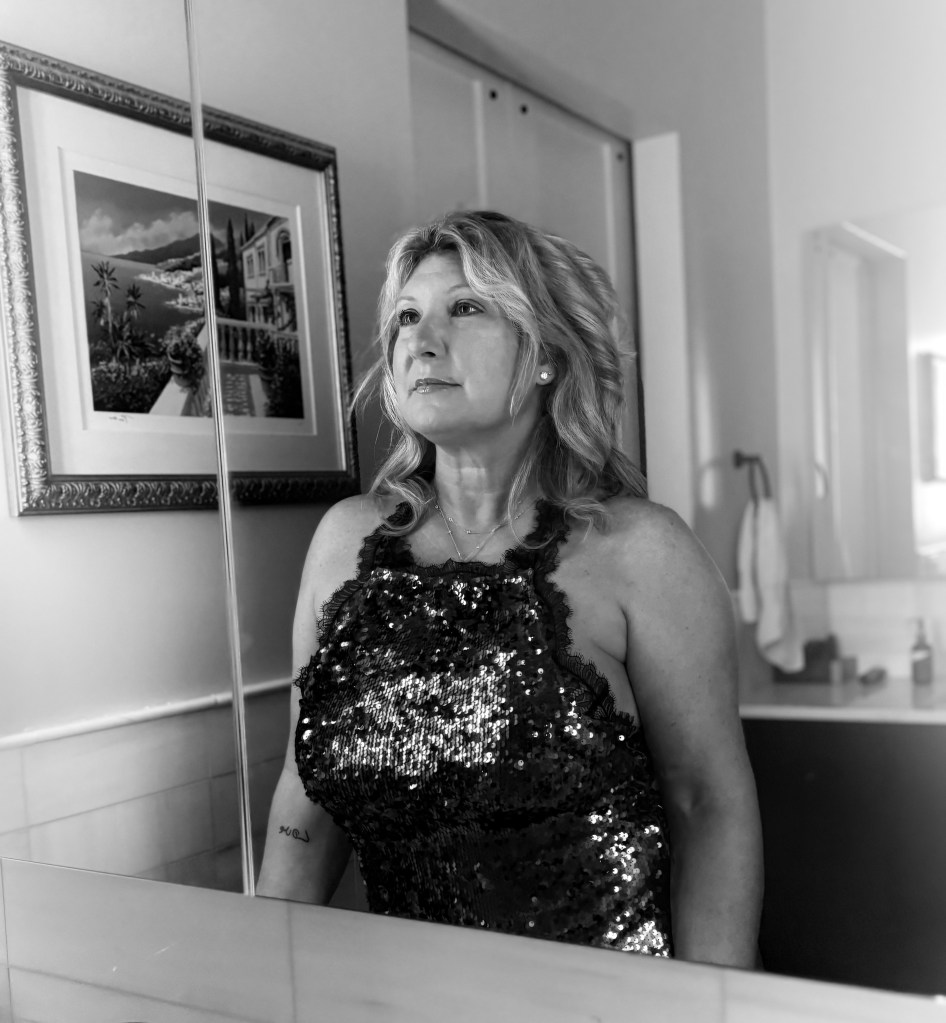
We all know someone like that. But then I had to ask the harder question: How many of us are wasting our own potential? Is it because of emotional trauma? Was there a specific event that altered our course, making “The Victim” our new identity? We have to be able to stand in front of a mirror and take a deep, agonizingly honest look at ourselves. Because the truth is, you are the only one in control of your thoughts and actions.
We cannot continue to blame something that happened 10, 20, or 30 years ago as the permanent excuse for where our life is today.
You can only claim the victim card for so long. At some point, the expiration date hits. You have to take responsibility for what happened to you and, more importantly, how you choose to move forward from it.
I see people who are paralyzed—drifting through life, avoiding real choices. And while I admire the driven person I’ve become, I have to check my own “unhealing” as well. I can’t control my history, but I can control my reaction to it.
Part of this journey—the journey of being UnSettled—is learning to live unapologetically. But being honest means admitting I still care what others think. It hits close to home when my partner or my kids call me out on it.
The ultimate goal of adulthood isn’t wealth or status; it’s the ability to have a conversation without becoming defensive, passive-aggressive, or withdrawing into the silence.
That is the work. That is the true path of the healed. We can only control how we react, how we communicate, and whether we finally decide to move off the couch and reclaim our lives.
In your relationship, what is the one issue that resurfaces again and again? Name it (without blame) and identify one action you can take this week to change your reaction to it. Tag someone who inspires you to choose accountability and healing over blame. Share this post if you believe it’s time to retire the victim card.
 #Unsettled
Leave a comment